Material & Geometry Testing
Evaluate stiffness, shrinkage, finish, fit, and real molded geometry instead of relying only on printed parts.

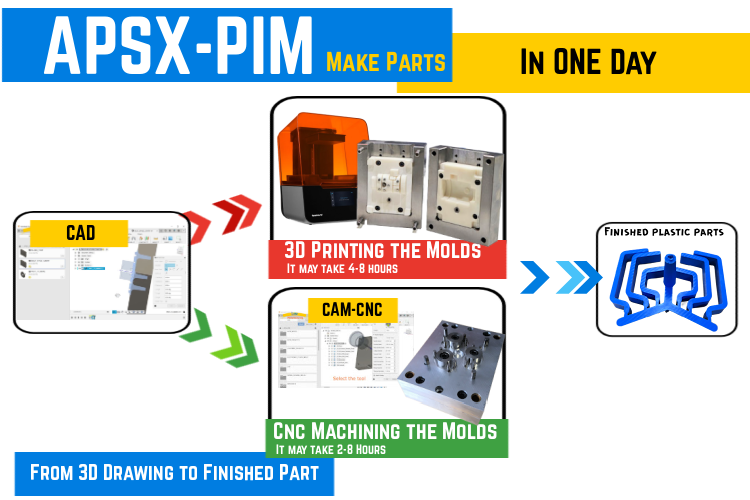
Robotics and humanoid systems require lightweight, durable, repeatable parts that can be tested under real-world conditions. APSX’s small-footprint injection molding machines help robotics developers move from concept to functional thermoplastic and also silicone parts quickly and affordably. From sensor housings and cable-management clips to joint covers and end-effector components, APSX-PIM and APSX-LSR give your team a practical way to iterate faster, test better, and reduce dependence on outside suppliers.
Slow Outsourcing | Outsourced tooling delays
Quotes, tooling, and short-run orders add weeks to robotic development cycles, slowing design changes, testing, and integration.
Prototype ≠ Production | Printed parts vs molded parts
3D prints are useful early, but they often do not reflect molded material behavior, repeatability, surface finish, or mechanical performance.
Constant Iteration | Fast-changing designs
Robotics programs change quickly. Snap fits, mounting points, wall thickness, cable routing, and assembly features often need multiple revisions before a design is stable.
The APSX-PIM V3 is an all-electric, enclosed, automatic injection molding machine designed for quick setup and quick production. Robotics teams can create production-representative thermoplastic parts in-house, tune process parameters, and test geometry, fit, and material performance without waiting on outside vendors. If you also have silicone parts, The APSX-LSR can be your production machine.
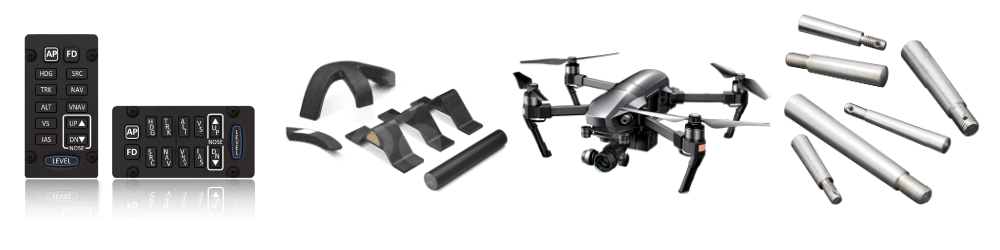
Evaluate stiffness, shrinkage, finish, fit, and real molded geometry instead of relying only on printed parts. Test ribs, bosses, draft, wall thickness, snap fits, and assembly features on a low-cost mold before finalizing the design. Produce parts for beta systems, integration testing, customer demos, and early field evaluation without waiting on steel tooling. Quickly iterate cable guides, sensor covers, electronics enclosures, assembly aids, and robot support fixtures in-house. Sensor and Camera Housings Protective enclosures for vision systems, embedded sensors, and internal electronics that require repeatable geometry and practical durability. Joint Covers and Protective Shrouds Lightweight plastic covers for moving assemblies, exposed mechanisms, and robotic frames where fit and appearance both matter. Cable Guides and Routing Clips Custom molded features that help organize wires, tubing, and harness paths in compact robotic and humanoid systems. End-Effector Components Tool adapters, gripper supports, finger shells, interface parts, and other low-volume plastic parts used in handling and interaction systems. Battery and Electronics Enclosures Functional housings for control electronics, battery modules, communication units, and embedded computing hardware. Fixtures and Assembly Aids In-house molded support components for production support, test setups, and assembly workflows during robot development and pilot production. APSX systems are used by innovators, labs, and manufacturers that need practical in-house production capability for real plastic parts. For robotics teams, that means faster iteration, more control over the design cycle, and a better bridge between prototype and production. Small to medium plastic parts such as housings, clips, covers, cable guides, brackets, and low-volume functional components are a strong fit. Yes. You can machine aluminum molds by using the templates we provide. No need for any assembly work. But a 2-hour remote first part session with an APSX engineer is available on request. Yes. APSX-PIM is well suited for pilot runs, beta units, replacement parts, and other short-run production needs. Let’s discuss how APSX-PIM V3 can help your team move faster with real thermoplastic parts made in-house.Unlock a New World of Robotics Product Development
Material & Geometry Testing
Design for Manufacturing (DFM)
Short-Batch Validation Runs
Functional Housings & Fixtures
Potential Applications & Specific Parts
Built for Teams That Need to Move Fast
Robotics / Humanoids FAQs
What types of robotics parts are appropriate?
Can we make our own molds?
Do you help with setup and training?
Can APSX-PIM support low-volume production?
Ready to Build Better Robotics Parts Faster?
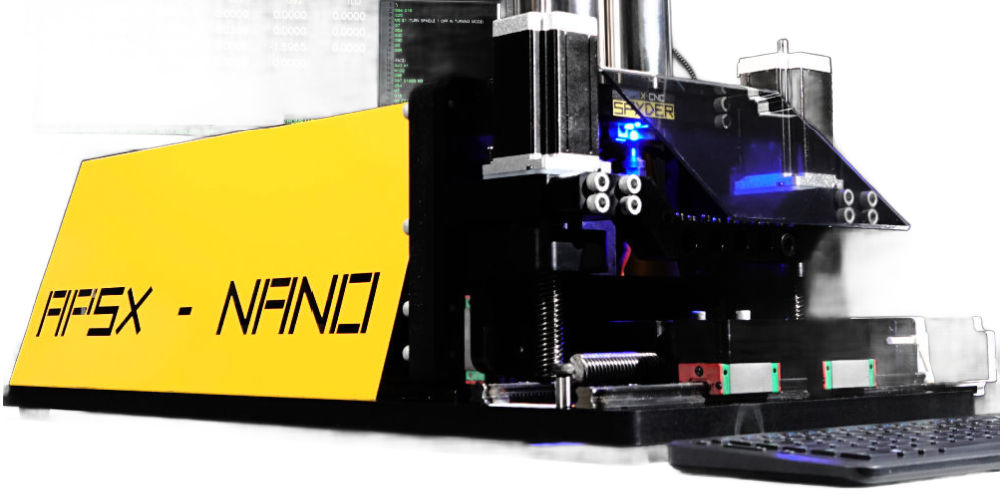
APSX’s small-footprint Swiss CNC lathe, the APSX-NANO, gives robotics teams the ability to machine small, precise metal components in-house. From pins and shafts to custom fasteners and miniature hardware, APSX-NANO helps engineering teams move faster and reduce dependence on outside machine shops.
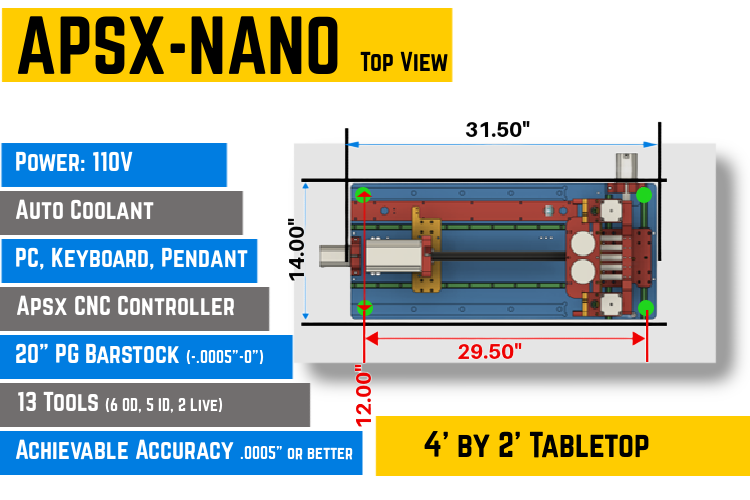
Learn how APSX-PIM and APSX-NANO can help your robotics team prototype faster, validate with real parts, and build stronger low-volume workflows in-house.