Applied Material Science
Observe how polymers such as PP, ABS, PC, HDPE, Nylon and POM behave under heat and pressure. Compare mechanical properties of molded parts vs. 3D printed parts.
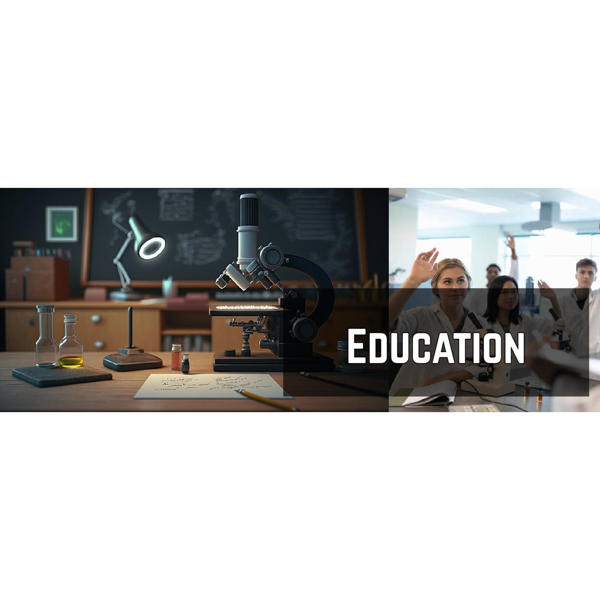
The APSX-PIM V3 brings the factory to your lab. Safely and affordably teach end-to-end production: design a part, create a mold, and produce consistent, engineering-grade plastic parts in minutes. Empower Future Innovators with Hands-On Injection Molding Experience. Add APSX-NANO to machine aluminum inserts in-house for a complete Design → CNC → Injection workflow.

3D printing is superb for one-off prototypes. But it doesn’t teach Design for Manufacturing (DFM), material behavior under real pressure and temperature, or the economics and quality controls of repeatable production. The gap between theory and practice is where students often struggle.
How do you bridge that gap without an industrial-sized budget or footprint?
The APSX-PIM V3 is an all-electric, enclosed, automatic injection molding machine designed for quick setup and quick learning. Students experience a realistic manufacturing workflow: tune process parameters, control cycle time, measure parts, and document quality—skills that translate directly to internships and industry roles.

Observe how polymers such as PP, ABS, PC, HDPE, Nylon and POM behave under heat and pressure. Compare mechanical properties of molded parts vs. 3D printed parts. Teach draft angles, gates, runners, ejector layout, shrinkage, cooling, and tolerance—then validate designs by molding parts. Measure cycle time and optimize parameters. Produce small batches, record variation, and practice inspection methods used on the shop floor. Support capstones and clubs: design, mold, and sell small products to fund programs while learning manufacturing business basics. Support STEM competitions with real parts: design, mold, and use small products to innovate while learning manufacturing for prototyping. The PIM V3 is a practical centerpiece for STEM labs, makerspaces, and engineering departments. It’s purpose-built to demonstrate real molding principles on classroom power. Design and mold functional prototypes for engineering competitions, FRC robotics teams, Formula SAE teams or capstone projects. Familiarize students with real-world injection molding processes, preparing them for immediate job readiness in manufacturing sectors. Conduct materials ASTM testing (test specimens such as D638, D256, D790, D4101) or process optimization studies for undergraduate and graduate research. Encourage innovation and business-minded thinking by allowing students to create and market small-batch products. It’s an excellent, budget-friendly approach to teaching the fundamentals of injection molding and product development. APSX systems support curricula that prepare the next generation of engineers, designers, and makers. Common engineering thermoplastics (PP, ABS, PC, HDPE, Nylon and POM) in hand-sized parts with short runners. Cycle times are typically one minute. Yes. With APSX-NANO, students machine aluminum inserts and mold parts within the same lab session. No need for any assembly job. But a 2-hour remote first part session with an APSX engineer is available on request. We provide a grant template on request. Let’s discuss how APSX-PIM V3 can enhance your curriculum and give students a competitive edge.Unlock a New World of Hands-On Learning
Applied Material Science
Design for Manufacturing (DFM)
Production & Quality Control
Student-Led Entrepreneurship
FIRST Robotics | Formula SAE
Spotlight: APSX-PIM V3 for Education

What Students Learn (Curriculum Highlights)
Typical Applications
STEM Education and FRC Robotics Projects
Technical Training
Research & Development
Product Design & Entrepreneurship
Trusted by Leading Universities and Technical Colleges


Education FAQs
What materials and part sizes are appropriate?
Can students make their own molds?
Do you help with setup and training?
How do we purchase with grants?
Ready to Empower Your Students?